In 2023, the question every AI team asked was: can you get H100s? In August 2026, that question is nearly obsolete. Nvidia can ship. TSMC can fab. What nobody can conjure on demand is memory — and megawatts.
This is the single most important reframe in hardware right now, and most coverage is still fighting the last war. Here's the data.
1. The memory shock is the defining event of the cycle
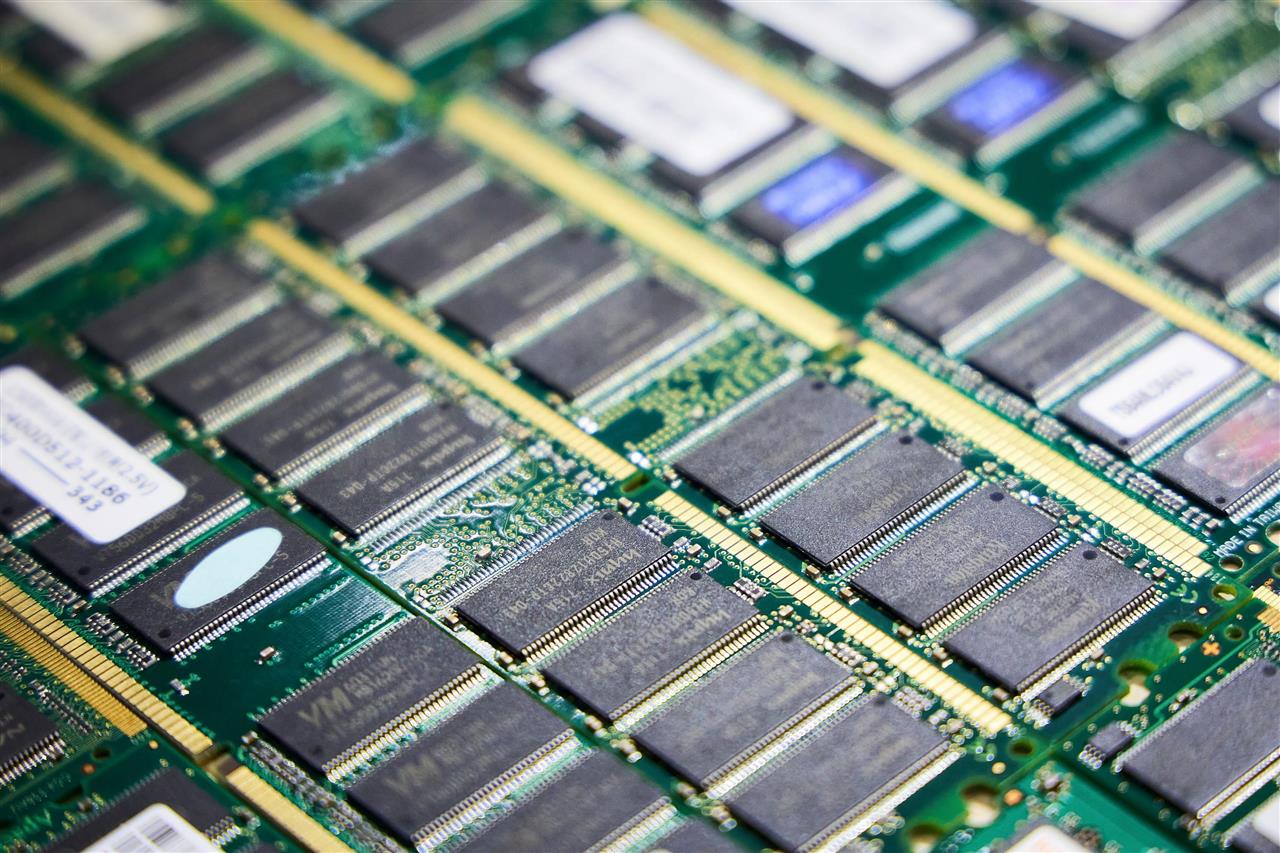
AI data centers didn't just increase memory demand — they re-plumbed the entire market. With a roughly 3-to-1 HBM-to-DDR5 wafer conversion ratio and HBM sold out for the year, the big three suppliers pulled capacity away from conventional DRAM. The result was one of the most violent price moves in semiconductor history.
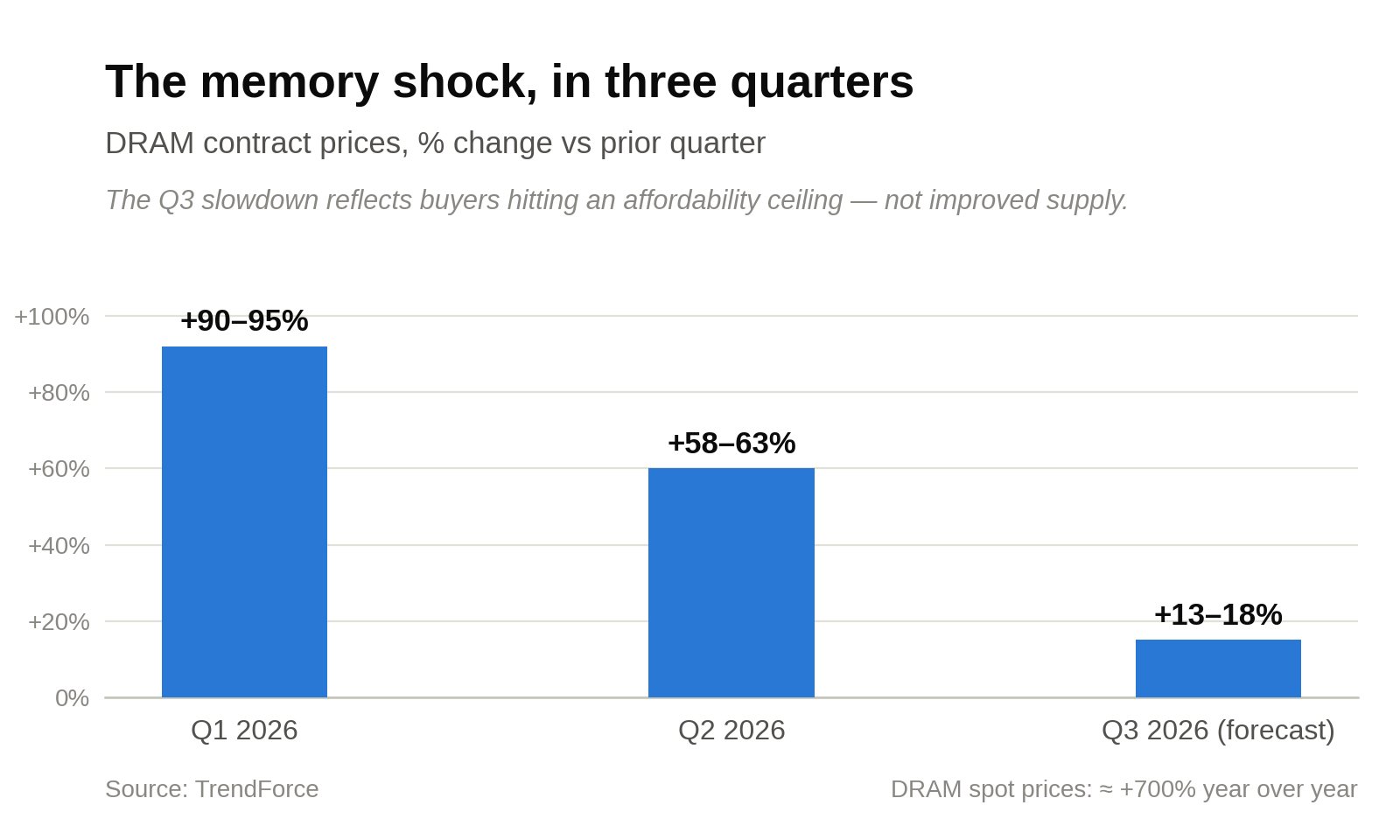
- TrendForce initially warned DRAM contract prices might rise 55–60% QoQ in Q1 2026, then revised to 90–95%.
- Q2 came in around 60%. Q3 2026 is now forecast at 13–18% for DRAM and 10–15% for NAND.
- DRAM spot prices are up nearly 700% year over year.
- The cooling is not a supply story. TrendForce attributes it to consumer electronics makers being unwilling and unable to absorb further increases — not to improved supply.
That distinction matters enormously. Demand destruction is not the same as relief.
The winners are obvious in the P&L. Samsung reported preliminary Q2 2026 operating profit of KRW 89.4 trillion (about $65.6 billion) — its highest quarterly profit on record, driven by memory. And the supply picture isn't normalizing soon: SK hynix's CEO warned in July 2026 that the shortage will probably persist beyond 2030.
2. The AI buildout has reached the checkout counter
This is the part most AI commentary misses. The capex boom is now a visible consumer tax.
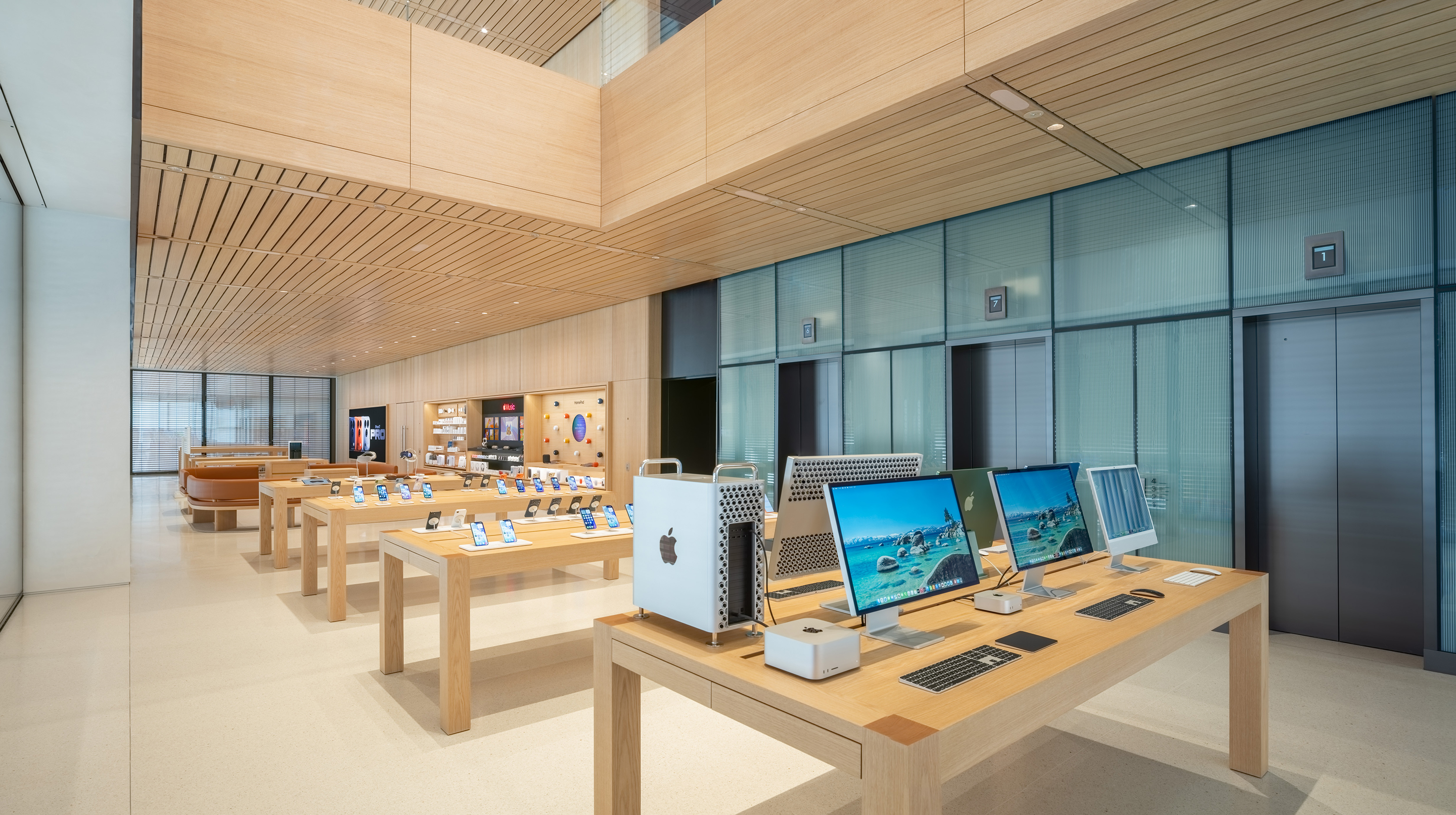
Apple raised prices across Macs and iPads in June, with many models up 20% or more: MacBook Air from $1,099 to $1,299, MacBook Pro from $1,699 to $1,999, and the Mac Studio M3 Ultra from $3,999 to $5,299. Microsoft simultaneously raised Xbox prices, stating that console storage and memory costs had increased more than 2.5x with another doubling expected by fall 2027.
On Apple's earnings call two days ago, Tim Cook said the company reluctantly raised prices because of what he called a 100-year flood on memory pricing.
The volume consequences are already forecast:
| Metric | 2026 outlook |
|---|---|
| Global PC shipments | −10.4% (Gartner, via CNBC) |
| Global smartphone shipments | −8.4% (Gartner, via CNBC) |
| Memory/storage as % of laptop BOM | ~35%, up from 15–18% a quarter earlier (TrendForce) |
| Sub-$200 smartphone segment | ~20% volume decline expected (Counterpoint) |
The analytical point: AI infrastructure spend is no longer a closed loop between hyperscalers and chipmakers. It's now extracting margin from every consumer device category on earth. That's a political story waiting to happen, not just a procurement one.
3. Foundry: the supercycle is real and it's accelerating
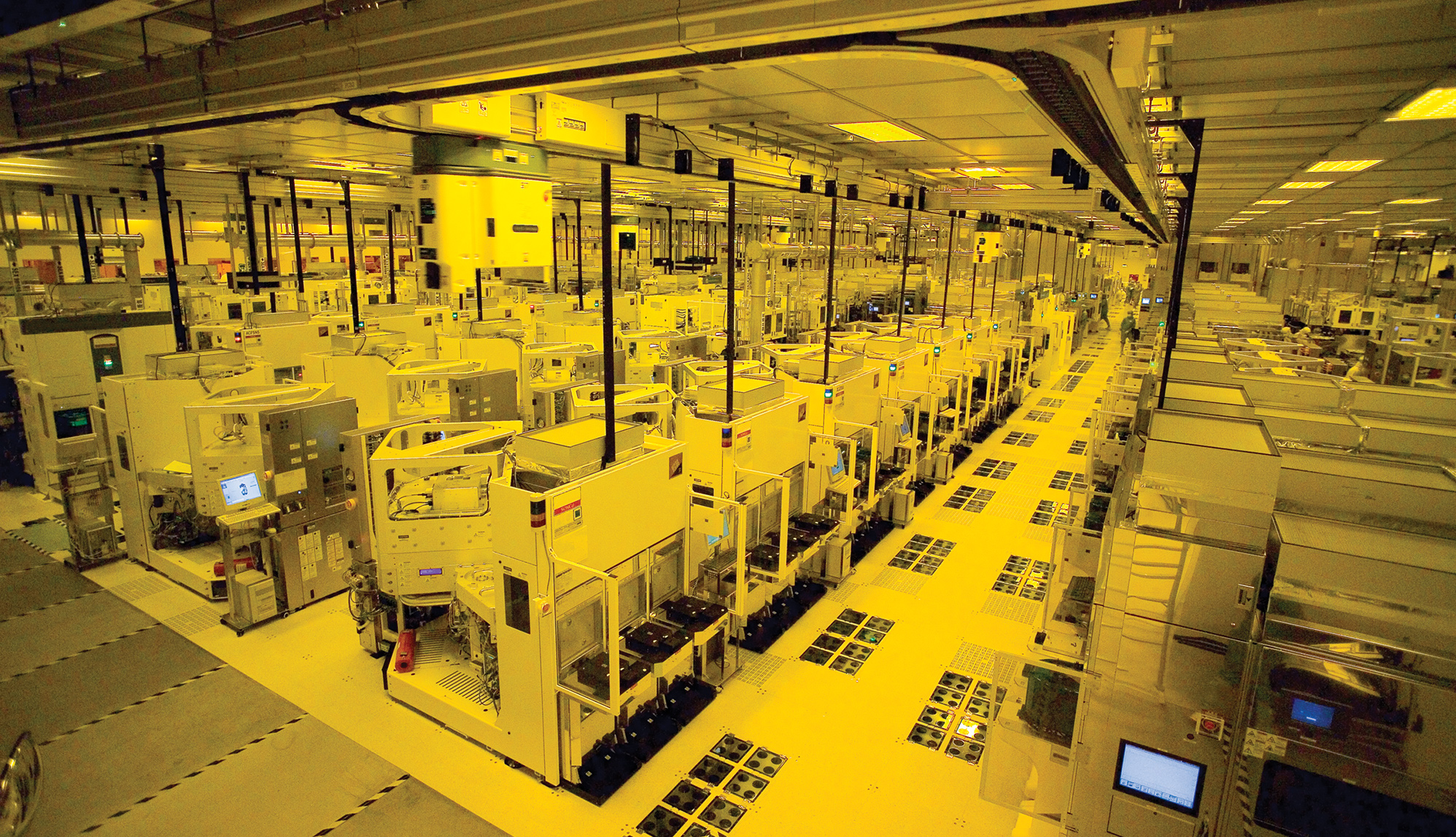
TSMC's July 16 quarter was the strongest signal in the sector.
- Revenue $40.2B (+36% YoY); net profit NT$706.56B, up 77.4%; EPS NT$27.25.
- 2026 capex raised to $60–64B from $52–56B, full-year revenue growth guided to slightly above 40%, and an additional $100B committed to Arizona.
- N2 contributed 3% of wafer revenue in its debut quarter; advanced nodes were 77% of total.
- Management said capital spending over the next three years will rise more significantly than over the previous three.
Intel, long the sector's problem child, delivered a genuine surprise: $16.1B revenue — $1.8B above its own guidance midpoint — record server growth, 18A output beating internal targets by roughly 25% with total output up more than 50% sequentially, and 2026 capex raised above $20 billion. Foundry lost $2.1B in the quarter versus $3.2B a year earlier — still deeply negative at −36% operating margin, but the direction finally changed.
Industry-wide, the aggregate is staggering: global semiconductor sales hit $120.6 billion in May 2026, up 104.1% versus May 2025, with annual sales projected to top $1.5 trillion.
4. The market just stopped paying for capex
Here's the sharpest turn of the past two weeks, and the most tradeable insight in this piece.
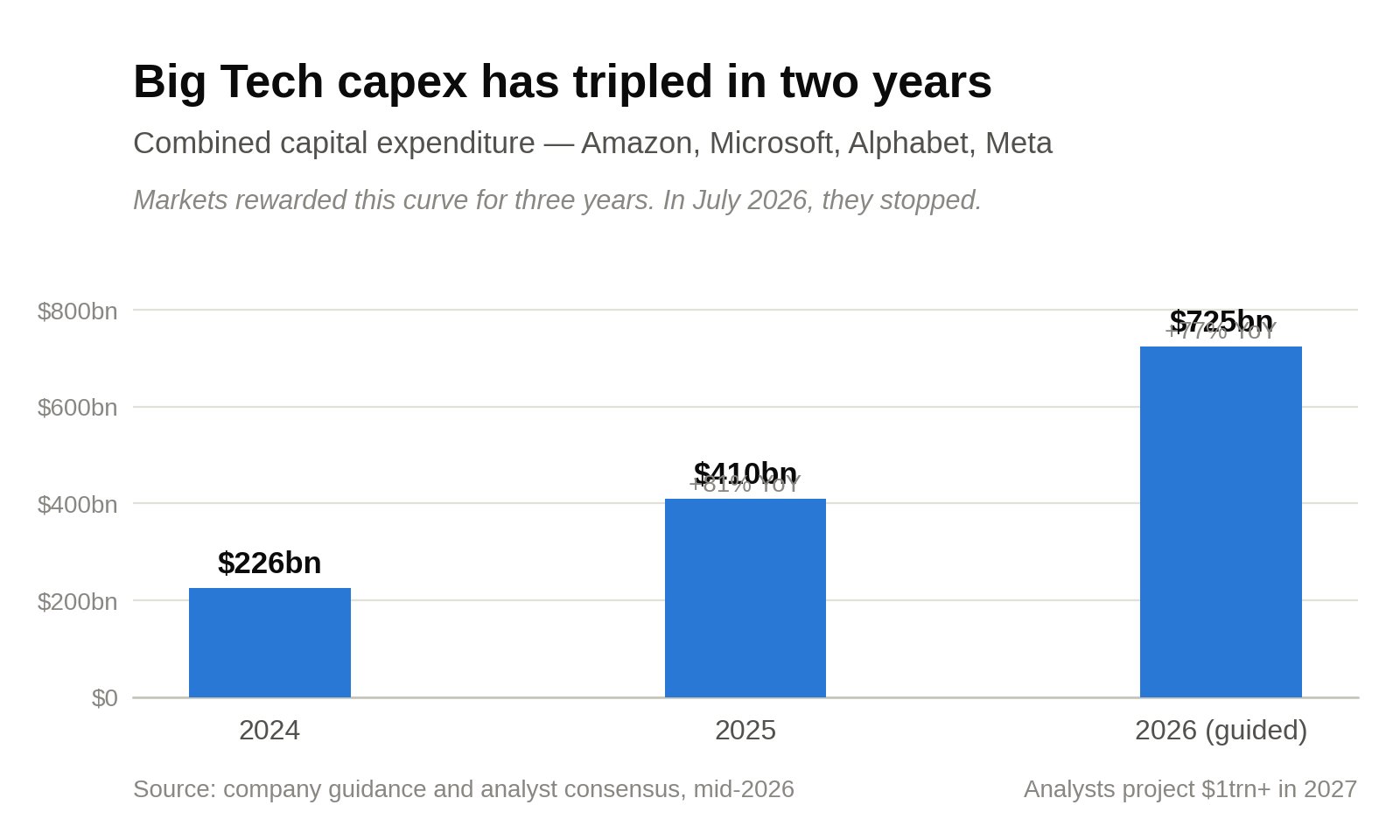
Combined hyperscaler capex roughly tripled from ~$226B in 2024 to ~$410B in 2025 to ~$725B guided for 2026. For three years, bigger numbers meant a higher stock price. That reflex broke in the last ten days.
Five Big Tech reports landed between July 22 and July 30 — Alphabet on the 22nd, Microsoft and Meta on the 29th, Amazon and Apple on the 30th. Every one posted double-digit YoY revenue growth. Microsoft and Amazon rose roughly 8–9%; Meta fell roughly 9–10% and Apple 4–8%.
The dividing line was not the size of the spend.
The rewarded companies could point AI spend at a metered, external, growing cloud revenue line — Azure up 43% YoY, AWS up 37% YoY. The punished ones could not, despite strong core businesses. Meanwhile Alphabet posted its first-ever negative free cash flow quarter and Meta's free cash flow collapsed to $784 million against a raised capex plan.
The reframe: the market has shifted from pricing ambition to pricing revenue legibility. If your AI dollars can't be traced to a meter someone else pays, the same $130B that made you a leader in January makes you a liability in July. Note the corollary — Apple, which avoided big AI outlays and partnered instead, rose 15% in July and 23% year-to-date, making it the biggest points contributor to the S&P 500's 8.3% rise.
5. The real constraint is a transformer, not a transistor
If there is one number to remember from this entire article, it's this: electrical equipment is under 10% of total data center cost and 100% of the bottleneck.
The supporting evidence is unambiguous:
- Gartner projects 40% of AI data centers will be power-constrained by 2027 — physically unable to draw the electricity their hardware is rated to consume.
- Nearly 2,300 GW of generation and storage sits in US interconnection queues — more than the country's entire installed capacity.
- High-voltage transformer lead times have gone from 24–30 months pre-2020 to about five years. GE Vernova is quoting roughly three-year turbine lead times, with 2030 slots already selling.
- Sightline Climate tracked 12 GW of announced 2026 US data center capacity across 140 projects — only 5 GW is actually under construction, with 11 GW showing no physical progress.
- Grid approval timelines in major US and European markets now run 24–36 months.
This reprices the whole stack. If gigawatts are capped, the only remaining lever is efficiency per watt — which is why tokens-per-watt is displacing FLOPS-per-dollar as the operative metric, and why inference optimization suddenly has a hard economic ceiling attached to it rather than being a nice-to-have.
6. What's actually moving in R&D
Three things worth tracking, none of which got the attention they deserved:
High-NA EUV went from demo to production. ASML confirmed on July 15 that Intel Foundry is using High-NA EUV machines in mass production of Panther Lake on the 18A node — third-party validation of the roadmap Intel's entire turnaround depends on.
Packaging is the new node. Broadcom's 3.5D platform enables packages exceeding 6,000 mm² of silicon with up to 12 HBM stacks, far past the ~2,500 mm² ceiling of conventional 2.5D. It began shipping a 2nm compute SoC in February integrating four N2 compute dies, an I/O die, and six HBM modules. When Moore's Law slows, the value migrates to assembly — and TSMC is building 13 advanced packaging plants in Taiwan alone.
Quantum quietly cleared a manufacturability bar. Imec and Diraq demonstrated the first coherent operation of eight silicon MOS spin qubits fabricated in a 300mm CMOS-compatible foundry process — evidence that standard semiconductor manufacturing can scale silicon quantum processors. Not a 2026 revenue story; possibly a 2032 one.
7. The competitive picture underneath
Nvidia's dominance is intact but no longer monolithic. It holds an estimated 80–85% of data center AI accelerator revenue in 2026, down from roughly 92% in 2023. The erosion is coming from custom silicon: combined hyperscaler custom accelerator deployment is estimated at ~1.9 million units in 2026 — roughly 900k Google TPU, 600k AWS Trainium, 250k Microsoft Maia, 180k Meta MTIA — with Broadcom's CEO guiding fiscal 2026 AI semiconductor revenue toward nearly $56 billion, close to tripling in a year.
Note the asymmetry: unit share is migrating faster than revenue share, because custom parts are cheaper per accelerator. Nvidia keeps the dollars while losing the sockets — for now.
On the geopolitical axis, the controls have produced their intended and unintended effects simultaneously. China's semiconductor self-sufficiency climbed to roughly 28% in Q4 2025 from 16% in 2024, backed by an estimated $150 billion in state subsidies, while analysts still estimate the US holds a 21x to 49x advantage in AI compute produced in 2026.
What happens next?
The next eighteen months will be decided by three things, and none of them is a GPU.
Memory stays tight longer than anyone is modelling. The Q3 deceleration is being misread as relief. It isn't — buyers simply ran out of money, and supply didn't move. SK hynix is guiding to a shortage past 2030; Apple has already told you it can no longer absorb the cost. Watch the Q4 contract prints. If they re-accelerate, every consumer device forecast for 2027 is wrong.
The capex question stops being "how much" and becomes "for whom." Last week's earnings split wasn't noise; it was a repricing. Microsoft and Amazon can point their spend at a meter someone else pays. Meta and Alphabet, so far, cannot. The next two quarters will force explicit revenue attribution onto every hyperscaler call — and the ones that can't produce it will find capital gets expensive fast.
The bottleneck stops being buyable. You can outbid a rival for wafers. You cannot outbid anyone for a five-year transformer lead time or a substation that doesn't exist yet. Of 12 GW of announced 2026 US data center capacity, only 5 GW is under construction. That gap is the real ceiling on AI scaling, and it will not close on a semiconductor timeline.
The companies that win from here won't be the ones that bought the most compute. They'll be the ones that secured a substation, locked a memory contract, and can show someone else's invoice for the tokens.