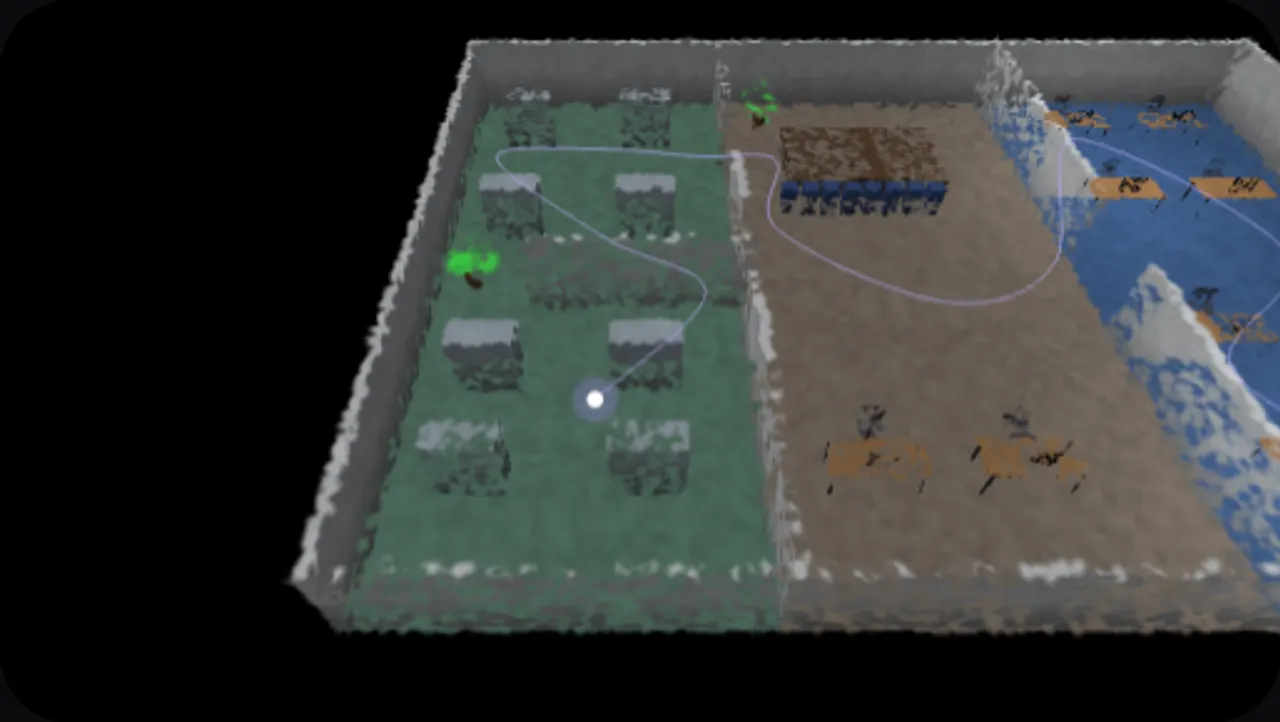
Builds the map.
Training in hardware, designed for edge power budgets.
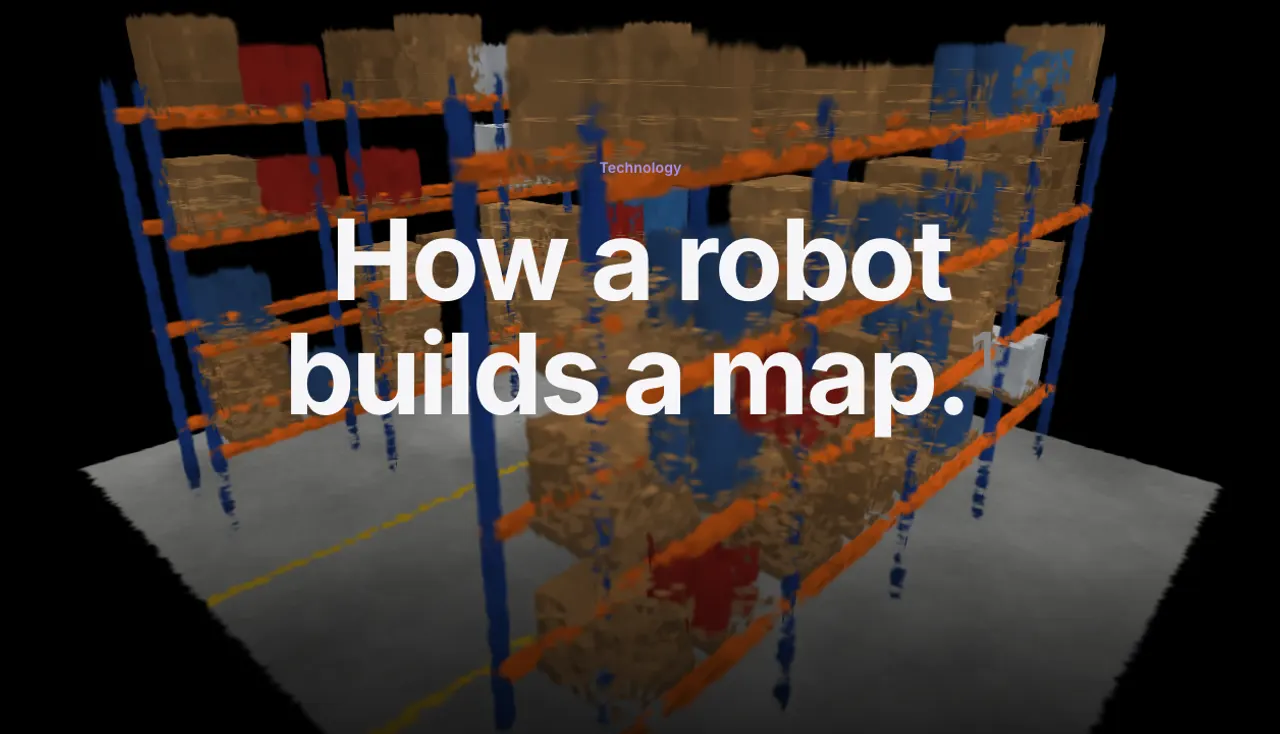
Technology
It starts as a rough guess.
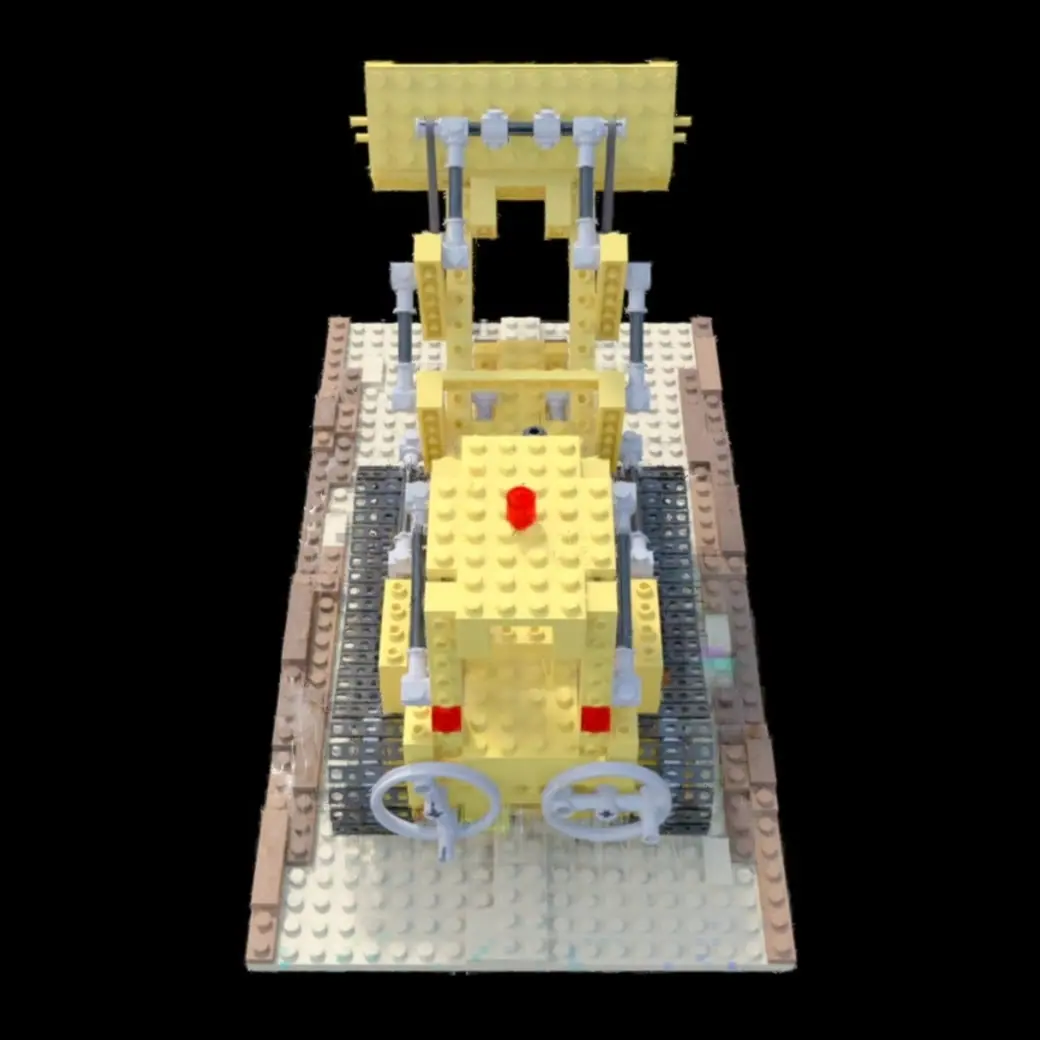
Gaussians move, resize and recolour, again and again.
Until the scene matches what the cameras saw.
Gaussian Splatting
A scene made of small, soft, coloured blobs called Gaussians. Seen together, from any angle, they look like a photograph of the place.
What already runs
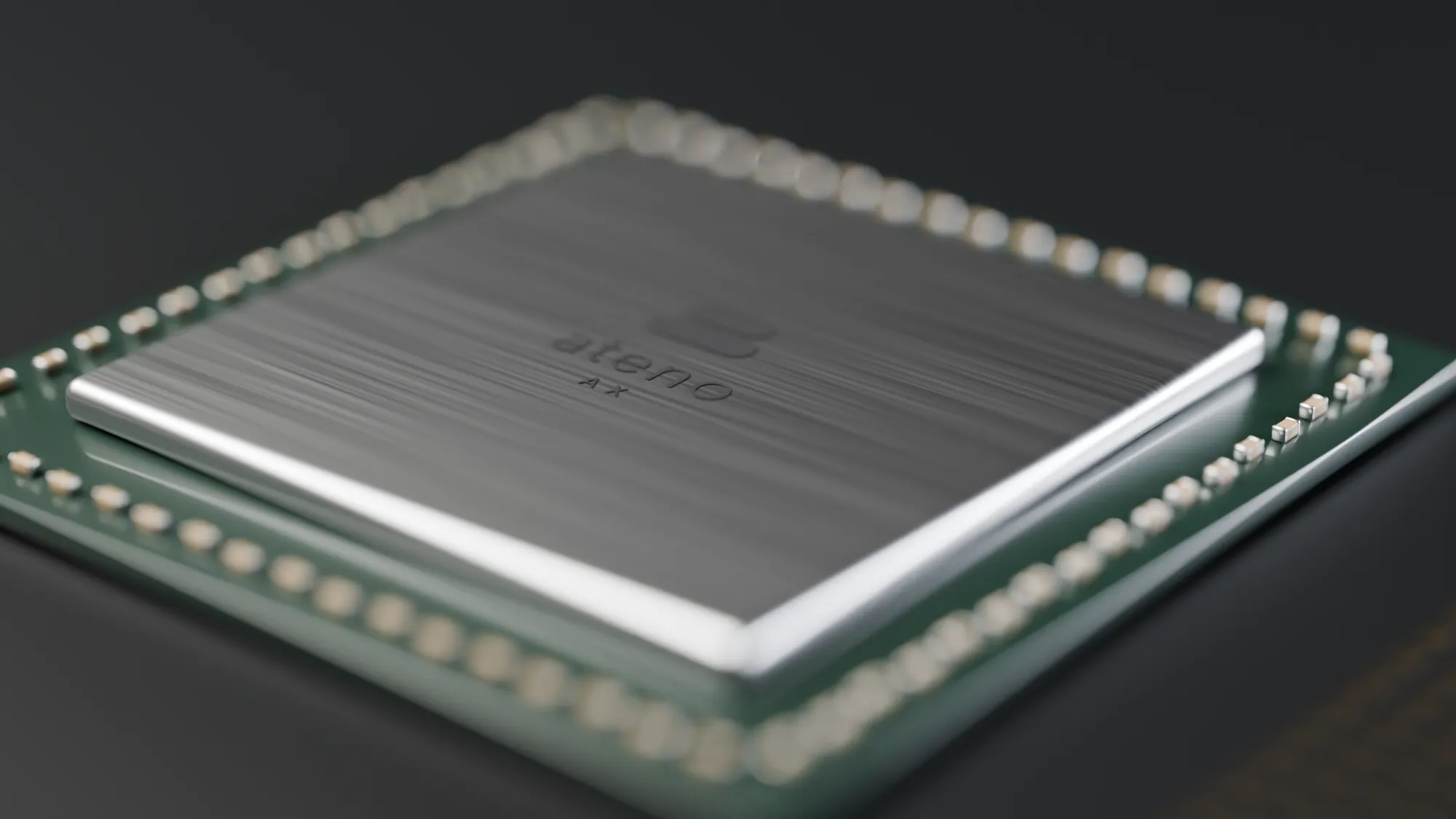
Ateno AX
Training in hardware, designed for edge power budgets.
A full pipeline, from Gaussians to pixels.
As a compute module or a licensed block.
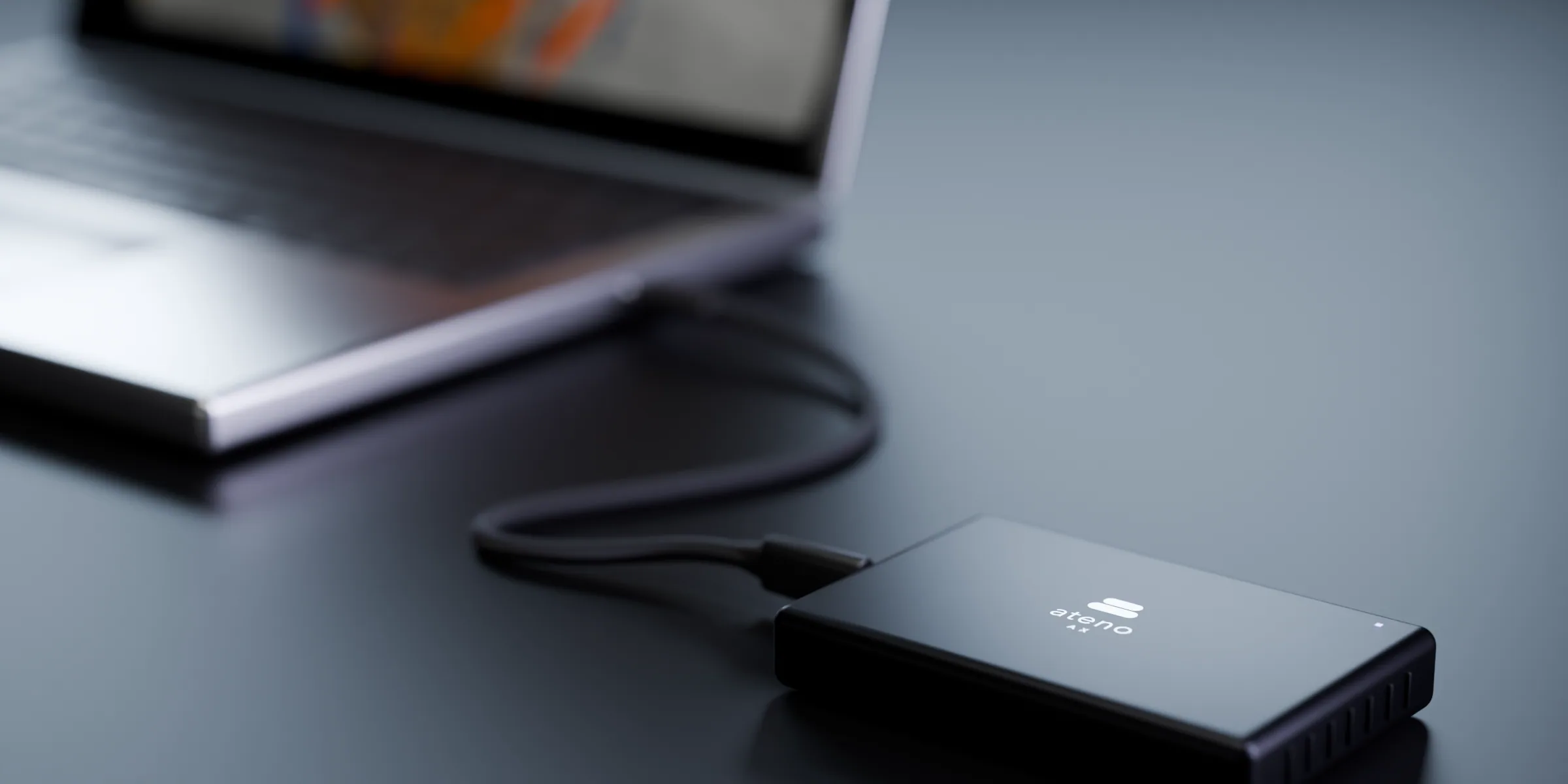
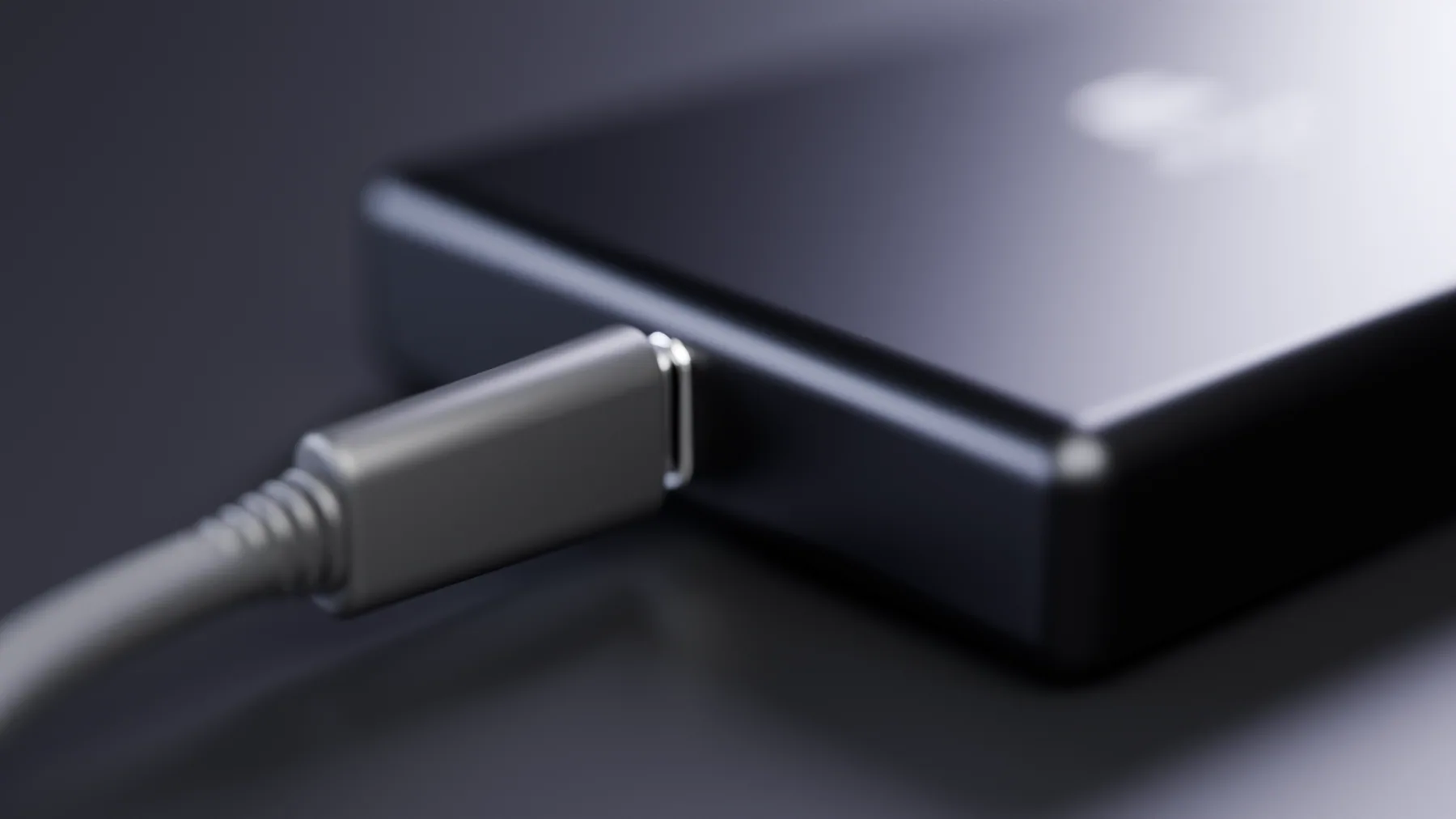
Ateno AX
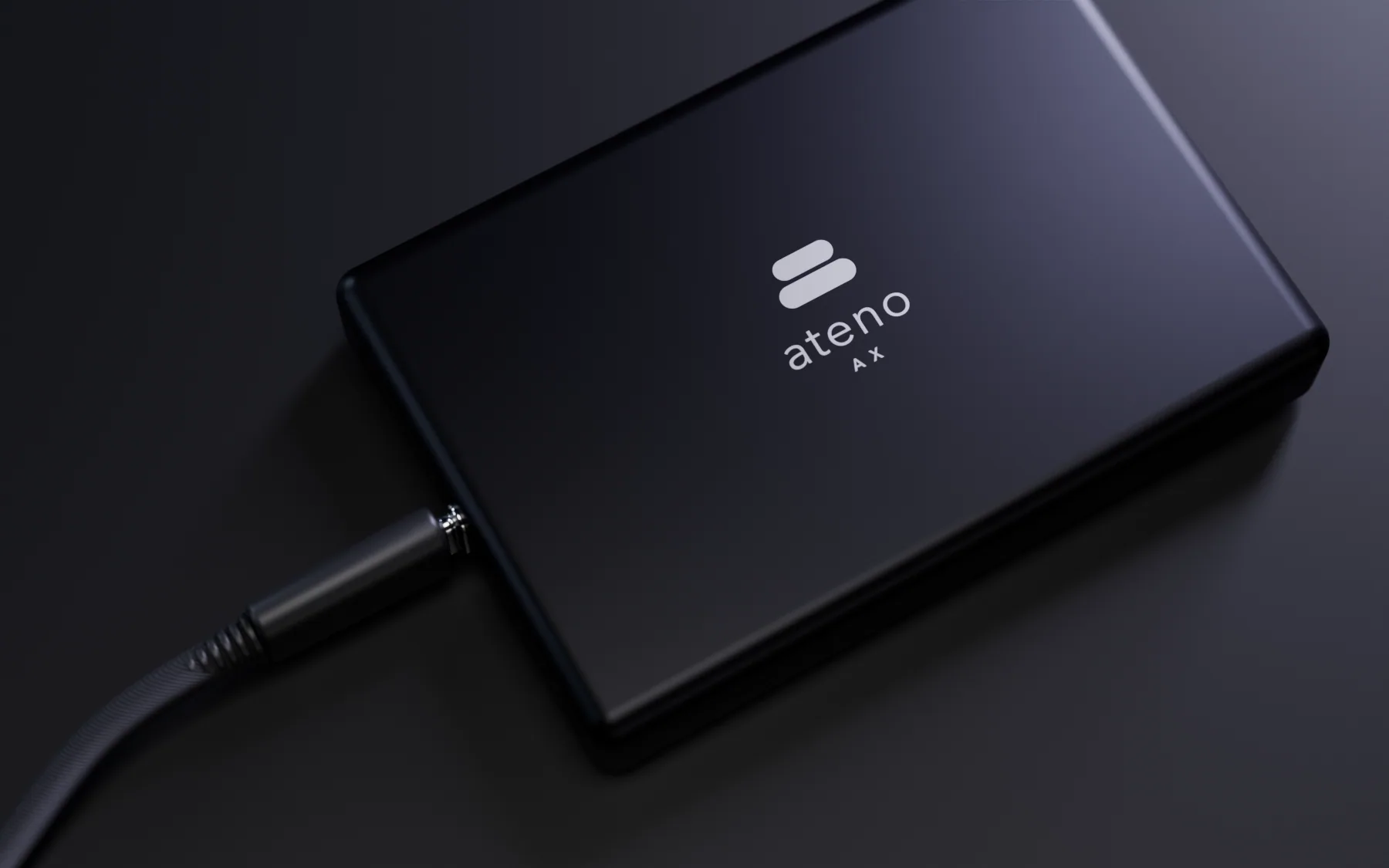
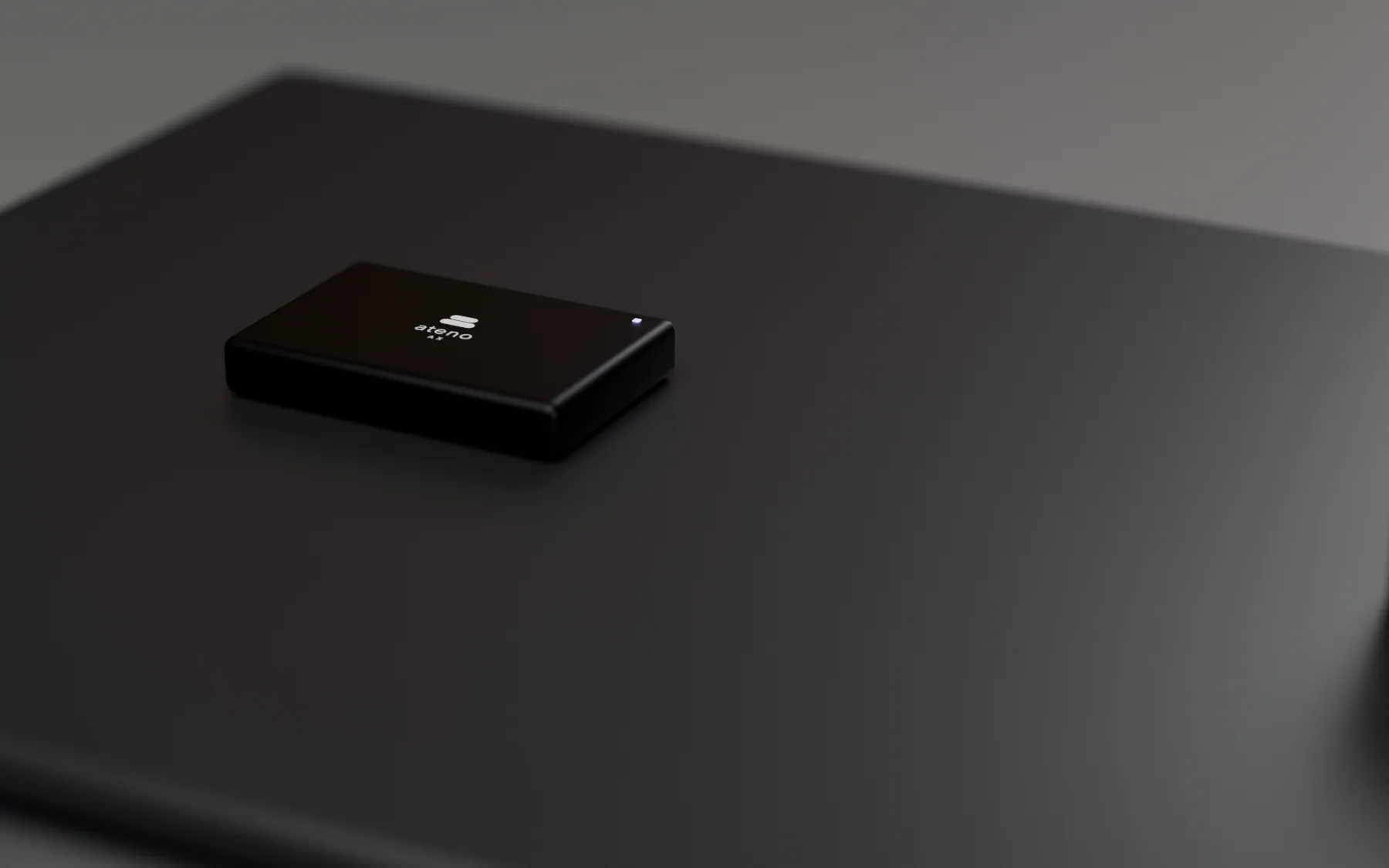
We're designing Ateno AX as a module that connects to your computer over USB-C.
Datacenter GPU and Ateno AX
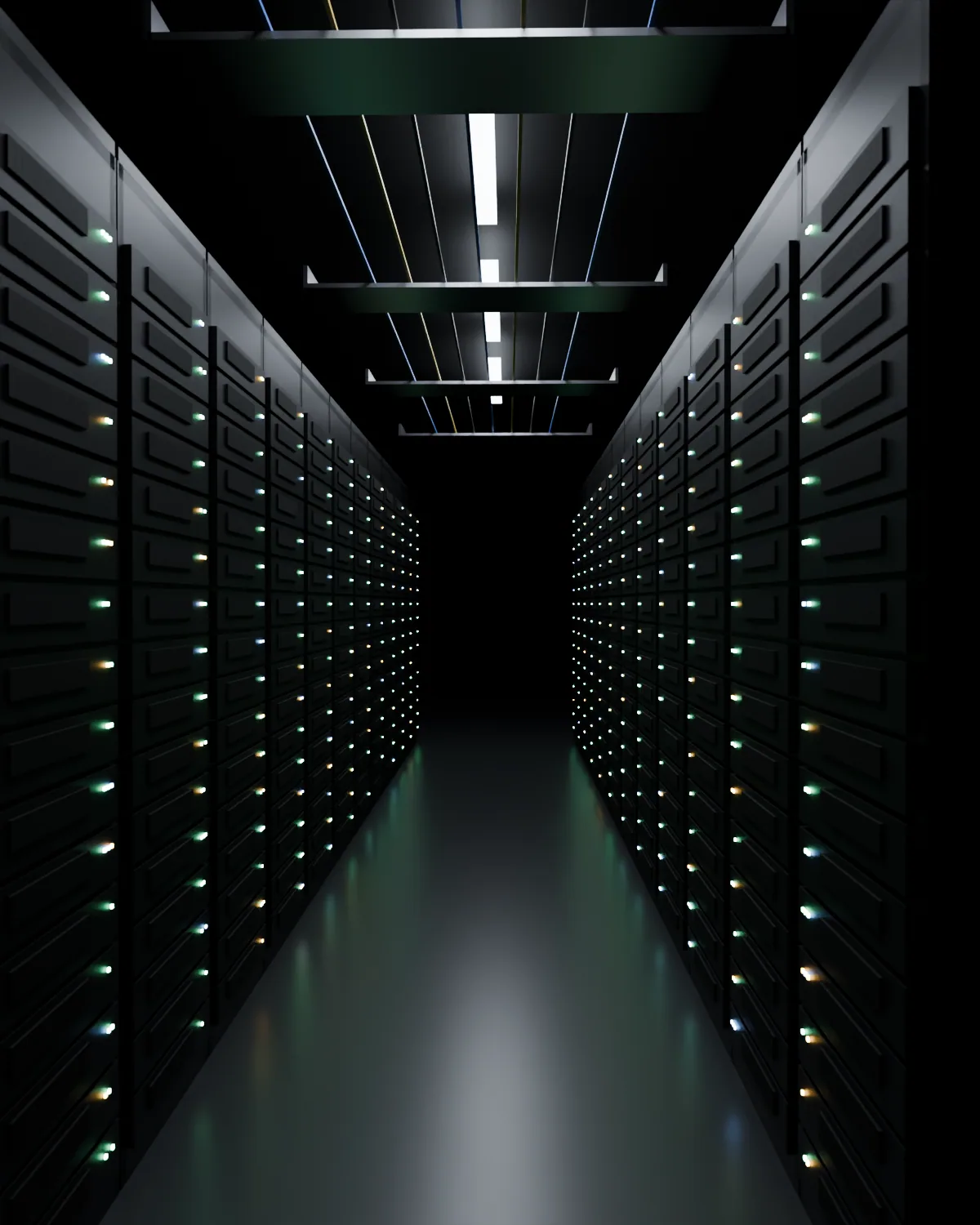
Datacenter GPU
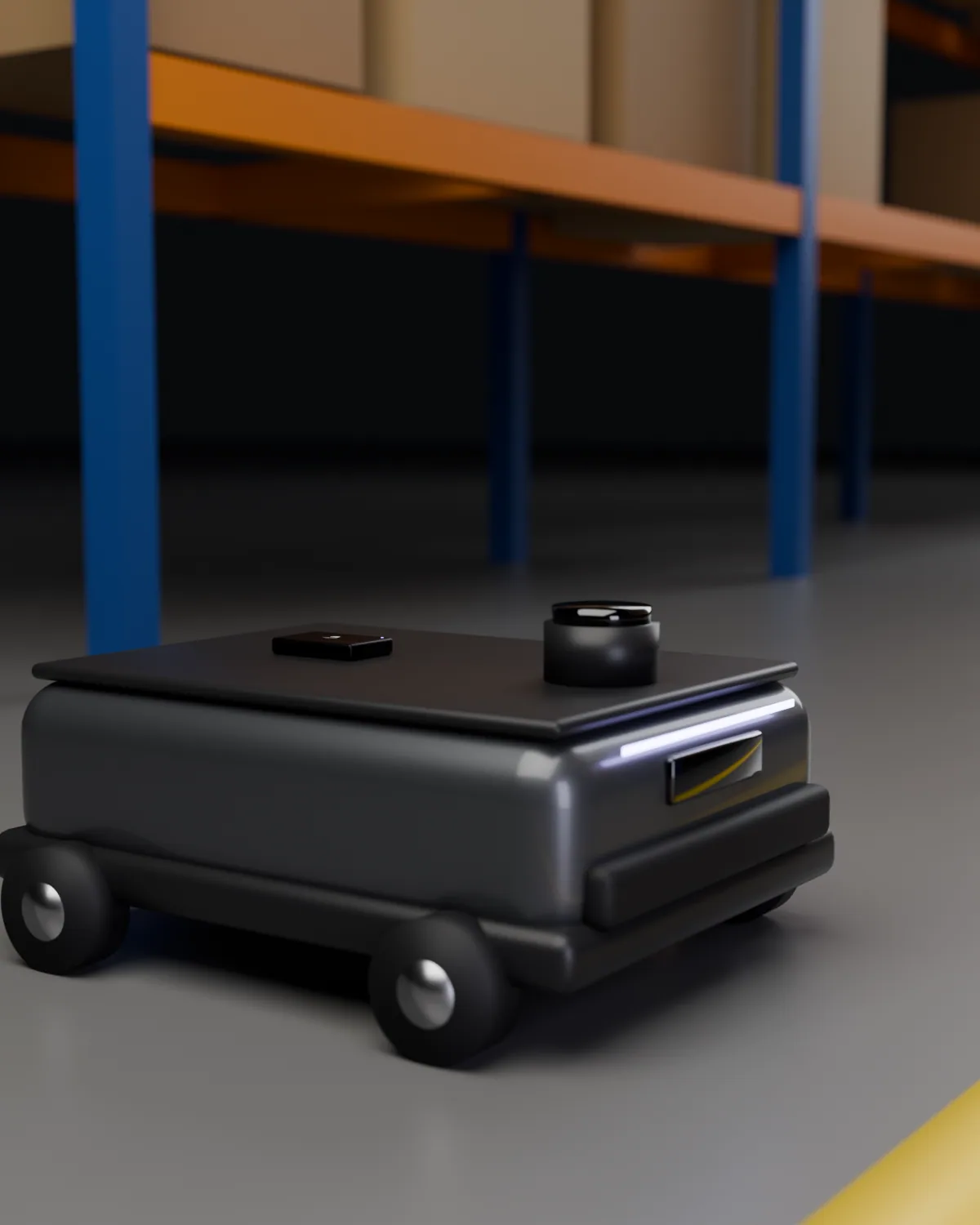
The goal with Ateno AX
| Compared | Datacenter GPU | Ateno AX goal |
|---|---|---|
| Where training runs | In a datacenter | On the robot |
| When the map arrives | Hours later | While it moves |
| Power it has to fit | Datacenter power and cooling | An edge power budget |
| What it depends on | A link to a server | Nothing off board |